In the demanding marine environment, visibility can mean the difference between safety and serious injury. Whether working on deck, in ports, or at offshore facilities, high-visibility clothing helps workers remain clearly visible in low-light conditions, poor weather, and busy operational areas. Investing in the right Hi-Vis workwear is a simple yet effective way to improve workplace safety, reduce risks, and meet industry safety requirements.
This blog explores why high-visibility clothing is vital for marine workplaces and how to choose the right gear.
1. Why High-Visibility Matters Specifically at Sea
Marine environments present unique visual challenges that standard workplaces do not face. Hi-vis gear serves several life-saving functions on the water:
Low-Light and Night Operations: Commercial shipping, fishing, and port logistics operate around the clock. Navigating a dark deck filled with heavy machinery and rigging requires maximum visibility.
Adverse Weather Conditions: Heavy fog, torrential rain, and ocean spray drastically reduce visibility in minutes. Bright fluorescent colors cut through grey, misty weather.
The Contrast Problem: The ocean is a vast expanse of blue, grey, and white. Traditional navy blue or black workwear blends right into the water and sky, making a fallen worker nearly impossible to spot from a bridge or rescue boat.
Vessel Traffic: Port workers, dock operators, and crew members working near active shipping lanes or crane operations need to be instantly spotted by equipment operators to avoid struck-by accidents.
2. Key Standards for Marine Hi-Vis Gear
Not all high-visibility clothing is created equal. Marine applications require gear that meets specific international safety standards for both visibility and water safety:
ANSI/ISEA 107 (or EN ISO 20471): These standards dictate the required amount of fluorescent background material and retro-reflective striping. For high-risk marine zones (like open decks), Class 2 or Class 3 garments are typically required.
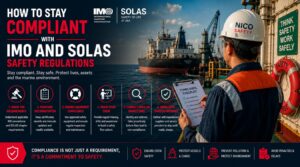
SOLAS (Safety of Life at Sea) Approval: Retro-reflective tape used on marine hi-vis apparel should ideally meet SOLAS requirements. This ensures the tape reflects light powerfully when hit by searchlights during night-time rescue operations.
3. Types of Marine Hi-Vis Clothing
Maritime workers need weather-appropriate gear that layers effectively without sacrificing visibility.
a. Hi-Vis Flotation Work Vests
Combining fall protection and drowning prevention, modern work vests are designed with high-visibility fluorescent orange or yellow fabrics and integrated SOLAS reflective tape. They offer constant buoyancy while keeping workers visible on deck.
b. Waterproof Hi-Vis Jackets and Rain Suits
Standard cotton hi-vis vests soak up water and lose their effectiveness quickly. Marine workers need waterproof, polyurethane-coated or Gore-Tex high-visibility jackets. These garments keep workers dry against heavy sea spray while ensuring they remain glowing beacons of safety.
c. Hi-Vis Coveralls and Thermal Suits
For cold-water environments or winter voyages, full-body hi-vis coveralls or floating immersion suits are mandatory. They provide thermal insulation against hypothermia while offering full-torso visibility from all angles.
d. Hi-Vis Shirts and Hoodies
For warmer climates or indoor-outdoor port work, moisture-wicking fluorescent shirts and lightweight hoodies with reflective striping keep workers cool while maintaining compliance.
4. Best Practices for Implementing Hi-Vis on Vessels
Choosing the gear is only half the battle. To maximize safety, marine operators should enforce these best practices:
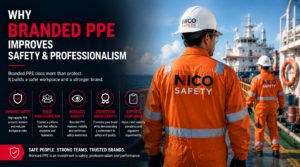
Prioritize Fluorescent Orange and Yellow: While both are standard, fluorescent orange often provides a higher contrast against white-capped ocean waves, while yellow stands out brilliantly against grey skies and dark water.
Insist on Retro-Reflective Striping: Ensure the clothing features X-patterns or vertical stripes on the back and shoulders so workers can be spotted from elevated bridge control rooms or rescue helicopters.
Regular Maintenance and Cleaning: Saltwater, mud, oil, and UV exposure degrade fluorescent dyes and make reflective tape dull over time. Wash gear according to manufacturer specs and inspect it regularly for fading or peeling tape. Replace compromised items immediately.
Final Thoughts
On the water, visibility is your first line of defense. Equipping your marine crew with certified, high-quality, and weather-resistant high-visibility clothing ensures that no matter how rough the weather gets or how dark the night, your team remains seen, safe, and protected.
Looking for a trusted safety partner?
Contact NICO Marine today to discuss your requirements and let our experienced team support your operations with industry leading products, technical expertise, and responsive service.