In the marine industry, safety equipment is only effective if it works when it’s needed most. Regular inspection and maintenance of life-saving appliances, fire safety systems, gas detection equipment, and PPE help identify potential issues before they become critical. By conducting routine inspections, vessel operators can enhance crew safety, minimize operational risks, and remain compliant with international maritime safety regulations.
Regular safety equipment inspection is not merely a bureaucratic checkbox to satisfy regulatory audits; it is the ultimate line of defense protecting crew members from disaster.
1. The Harsh Marine Environment Accelerates Wear and Tear
Equipment degrades much faster at sea than it does in a land-based factory or warehouse. Routine inspections catch these environmental impacts before they render a life-saving device useless.
Saltwater Corrosion: Salt quickly rusts metal components, degrades zippers on survival suits, and compromises the mechanical triggers on inflatable lifejackets.
UV Degradation: Intense sunlight on open oceans breaks down synthetic fibers, weakening the tensile strength of safety harnesses, mooring lines, and high-visibility fabric.
Moisture and Mold: Trapped humidity below deck can rot webbing, contaminate medical kits, and corrode electronic components in emergency beacons (EPIRBs).
2. Ensuring Gear Works When Seconds Count
An emergency at sea—whether it is a man-overboard incident, a sudden engine room fire, or an unexpected hull breach—leaves zero room for error.
If a deckhand goes overboard and their automatic inflatable Personal Flotation Device (PFD) fails to inflate because a CO2 cylinder leaked or the bobbin degraded, the consequences are catastrophic. Regular, documented inspections ensure that every lifejacket, immersion suit, fire extinguisher, and breathing apparatus is in a state of operational readiness at all times.
3. Compliance with International Maritime Regulations
Maritime operations are heavily regulated by global and national bodies to maintain safety standards across international waters. Maintaining a rigorous inspection schedule keeps your operation fully compliant and avoids costly legal or financial setbacks.
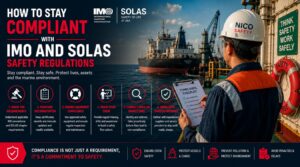
SOLAS (Safety of Life at Sea): Mandates strict inspection, testing, and maintenance intervals for safety equipment, lifeboats, fire-fighting systems, and rescue boats.
Flag State and Port State Control: Authorities routinely board vessels to inspect safety logs. Expired equipment, unserviced life rafts, or damaged PPE can result in heavy fines, delayed voyages, or even vessel detention.
4. Cultivating a Proactive Safety Culture Onboard
When a captain or safety manager implements strict, transparent equipment inspection routines, it sends a powerful psychological message to the entire crew: your life and well-being matter.
Crew Involvement: Involving crew members in daily or weekly visual checks empowers them to take ownership of their safety gear.
Early Reporting: A culture of regular inspection encourages workers to report minor defects (like a frayed harness strap or a cracked face shield) immediately rather than hiding them.
Best Practices for Marine Safety Equipment Inspections
To ensure your vessel remains safe and compliant, establish a multi-tiered inspection protocol:
Pre-Use Checks: Crew members must visually inspect their individual gear (PPE, work vests, harnesses) before every shift.
Monthly Maintenance: Designated officers should conduct thorough monthly checks of fixed and portable safety assets, including fire extinguishers, eyewash stations, first-aid kits, and emergency lighting.
Annual Professional Servicing: Life rafts, hydrostatic release units, inflatable PFDs, and fire suppression systems must be serviced by certified external technicians according to manufacturer and SOLAS guidelines.
Detailed Record-Keeping: Maintain an up-to-date digital or physical logbook tracking inspection dates, serial numbers, defect findings, and replacement timelines.
Final Thoughts
At sea, your safety equipment is only as good as its last inspection. By prioritizing routine, rigorous checks of all safety gear, marine operators safeguard their most valuable asset—their crew—ensuring everyone makes it safely back to port.
Looking for a trusted safety partner?
Contact NICO Marine today to discuss your requirements and let our experienced team support your operations with industry leading products, technical expertise, and responsive service.