Oil spills can occur without warning in manufacturing plants, warehouses, marine facilities, and industrial workplaces. Whether it’s a minor hydraulic leak or a major equipment failure, every spill demands a swift and organized response. Acting quickly not only protects personnel and the environment but also minimizes operational disruption and helps maintain compliance with safety and environmental regulations
This blog outlines how businesses and employees can effectively prepare for, respond to, and clean up workplace oil spills
1. Safety First: Assess and Alert
When an oil spill occurs, panic is the greatest enemy. The initial focus must always be on human life and physical safety.
Evacuate or Secure the Area: If the spill involves a large volume, a confined space, or creates a fire hazard, immediately evacuate the area and sound the internal alarm.
Identify the Hazards: Oil is slippery (slip-and-fall hazard), frequently flammable, and can release toxic vapors. Do not rush into a cloud of smoke or chemical fumes.
Alert Designated Personnel: Notify your workplace safety officer, facility manager, or designated Emergency Response Team (ERT) immediately.
2. Stop the Source
If it can be done safely without putting yourself at risk, cut off the flow of oil.
Turn off machinery, close shut-off valves, or upright a tipped container.
Never attempt to plug a high-pressure leak or tackle a large-scale spill without proper training and personal protective equipment (PPE).
3. Don the Proper Personal Protective Equipment (PPE)
Before any cleanup begins, responders must wear the appropriate gear specified by the facility’s Safety Data Sheet (SDS) and OSHA guidelines. Standard gear typically includes:
Chemical-resistant gloves (nitrile, neoprene, etc.)
Safety goggles or face shields to prevent splashes
Oil-resistant aprons or full-body suits if dealing with large volumes
Respirators, if there is a risk of inhaling harmful vapors or mists in a poorly ventilated space
4. Contain and Control the Spill
Prevent the oil from spreading further, especially into drains, soil, or waterways (where environmental fines escalate drastically).
Deploy Absorbent Booms: Place absorbent socks or booms around the perimeter of the spill to form a “dam” and stop the oil from migrating.
Protect Drains: Cover nearby floor drains immediately using drain covers or mats to prevent oil from entering the public sewage system or local water bodies.
Apply Absorbent Materials: Use loose granular absorbents, pads, or pillows specifically designed for oil (oleophilic/hydrophobic absorbents, which absorb oil while repelling water). Cover the puddle entirely and allow it to soak up the liquid.
5. Cleanup and Proper Disposal
Once the oil is fully absorbed, the mess must be cleared and disposed of in accordance with environmental regulations (such as EPA or local hazardous waste guidelines).
Gather Contaminated Materials: Carefully sweep up used granular material or pick up saturated pads and place them into designated, labeled heavy-duty hazardous waste bags or overpack drums.
Decontaminate Surfaces: Scrub the floor or affected hard surfaces with an approved industrial degreaser or detergent to remove lingering slippery residue.
Dispose Legally: Never dump oil-soaked materials into standard workplace trash or pour liquid oil down drains. Coordinate with your waste management provider for legal disposal.
6. Report and Review
Transparency and record-keeping are vital after any spill incident.
Internal Reporting: Fill out an internal incident report detailing how the spill happened, what went wrong, and how it was fixed.
Regulatory Notification: Depending on the volume of the spill and whether it reached soil or waterways, federal, state, or local laws may require you to report the incident to authorities (such as the EPA or National Response Center).
Post-Incident Debrief: Review the event with your team. Update your Spill Prevention, Control, and Countermeasure (SPCC) plan or Emergency Action Plan to prevent similar incidents from recurring.
Conclusion:
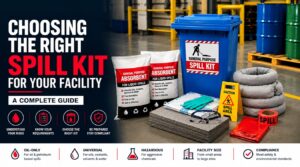
The best response to a spill is thorough preparation. Ensure your facility maintains easily accessible spill kits near high-risk areas (like loading docks, machinery lines, and chemical storage rooms), conduct routine employee training, and keep safety data sheets clearly organized.
Looking for a trusted safety partner?
Contact NICO Marine today to discuss your requirements and let our experienced team support your operations with industry leading products, technical expertise, and responsive service.