Working in the marine and offshore industry—whether on commercial shipping vessels, fishing fleets, offshore oil rigs, or marine construction sites—exposes personnel to some of the harshest environments on earth. From freezing sub-zero temperatures and unforgiving saltwater to heavy machinery and rolling decks, safety relies heavily on selecting the correct Personal Protective Equipment (PPE).
Choosing the right gear is not just about checking regulatory boxes; it is about saving lives. This guide outlines how to choose the right PPE tailored specifically to the unique hazards of a marine workplace.
1. Understand the Core Hazards of the Marine Environment
Before selecting any gear, safety managers must evaluate the specific risks associated with maritime operations. Common marine hazards include:
Man-Overboard (MOB) & Drowning Risks: The greatest and most distinct danger in marine environments.
Extreme Weather & Temperature: Freezing winds, heavy rainfall, high humidity, and intense UV radiation.
Slippery and Unstable Surfaces: Wet, rolling, and pitching decks that increase slip-and-fall hazards.
Heavy Machinery and Cargo Handling: Risks from cranes, winches, falling cargo, and moving vessel parts.
Chemical and Fuel Exposure: Handling bunker fuels, hydraulic fluids, corrosion inhibitors, and cleaning solvents.
2. Personal Flotation Devices (PFDs) and Lifejackets
In a marine workplace, standard work vests are rarely enough. PFDs must be selected based on the specific job function and risk level.
Inflatable vs. Foam-Filled: Foam lifejackets offer constant buoyancy and are durable, but inflatable PFDs are far less bulky, allowing workers greater mobility for manual labor on deck.
Work Vests vs. Abandon-Ship Lifejackets: Ensure workers wear approved work vests (USCG Type III or V equivalents) during daily operations, while SOLAS-approved abandon-ship lifejackets with lights and whistles must be readily accessible in emergencies.
Automatic vs. Manual Inflation: For deckhands and those working near open water, automatic inflatable PFDs are essential. If a worker falls overboard unconscious, the vest inflates automatically upon water contact.
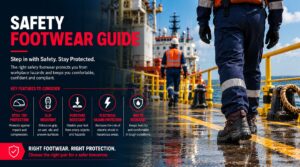
3. High-Performance Footwear for Wet Decks
Standard steel-toe boots won’t cut it on a slippery marine vessel. Footwear must balance impact protection with superior traction.
Anti-Slip Soles: Look for rubber outsoles with specialized tread patterns (siping) designed to channel water away and grip wet fiberglass, steel decks, or wooden ramps.
Steel-Toe and Puncture-Resistant: Essential for deckhands handling heavy anchor chains, cargo, and equipment.
Waterproof Construction: Cold, wet feet lead to numbness, fatigue, and lower reaction times. Insulated, waterproof boots are mandatory for cold-water or winter marine environments.
4. Weather-Resistant and Ergonomic Outerwear
Maritime workers face relentless elements. PPE must protect against wind, rain, and hypothermia without restricting movement.
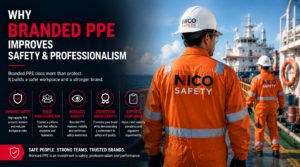
High-Visibility and Waterproof Fabrics: Gear should feature waterproof ratings (e.g., heavy-duty polyurethane-coated nylon or Gore-Tex) and high-visibility colors with retro-reflective tape (SOLAS-approved) for low-light or night operations.
Floatation Suits: For cold-water operations, floating suits or immersion suits provide both thermal insulation against hypothermia and built-in buoyancy.
5. Eye, Face, and Head Protection
Salt spray, glare, and overhead hazards require specialized gear modifications.
UV-Blocking Polarized Eyewear: Glare bouncing off the ocean surface causes severe eye strain and temporary blindness. Safety glasses should offer UV protection and polarization to cut water glare.
Anti-Fog and Salt-Resistant Coatings: Standard safety glasses fog up quickly in high-humidity marine air. Choose anti-fog, scratch-resistant coatings.
Hard Hats with Chin Straps: Strong ocean winds can easily blow a standard hard hat off a worker’s head. Marine hard hats must feature secure chin straps.
6. Hand Protection for Rigorous Tasks
Hands take a beating in the marine sector from pulling ropes, handling wet cables, and working with chemicals.
Rope and Rigging Gloves: Reinforced leather or synthetic palms protect against rope burns and friction without sacrificing grip.
Chemical-Resistant Gloves: Nitrile or neoprene gloves are required when dealing with machinery lubricants, paints, or fuel bunkering.
Thermal Cold-Weather Gloves: Waterproof, insulated gloves are crucial for preventing frostbite and dexterity loss during cold-weather voyages.
Compliance and Maintenance: The Final Rule
Even the highest-quality marine PPE will fail if it is not properly maintained or certified. Ensure all gear meets international and national standards (such as SOLAS, ISO, OSHA, or USCG). Furthermore, establish routine inspection schedules: check inflatable PFD cylinders, look for tears in waterproof seams, and replace compromised footwear immediately.
Looking for a trusted safety partner?
Contact NICO Marine today to discuss your requirements and let our experienced team support your operations with industry leading products, technical expertise, and responsive service.