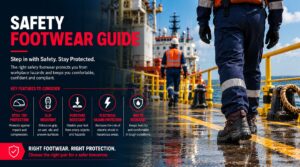
When it comes to workplace safety, your boots are arguably your most important piece of gear. Whether you are walking a bustling construction site, managing a warehouse inventory, or working on an electrical grid, protecting your feet from heavy impacts and compression is non-negotiable.
For decades, the steel toe boot stood uncontested as the gold standard of industrial footwear. However, advancements in material science have brought composite toe boots into the spotlight as a formidable, high-tech alternative.
So, which option reigns supreme for your specific line of work? Let’s break down the head-to-head comparison of Steel Toe vs. Composite Toe safety footwear.
The Contenders At a Glance
Steel Toe Boots: Crafted with a heavy-duty, hardened steel cap built into the toe box. They are the traditional choice for rugged, high-impact environments.
Composite Toe Boots: Built using non-metal, high-strength materials such as carbon fiber, fiberglass, Kevlar, or reinforced plastics. They provide modern protection without the use of metal.
Both types must pass rigorous safety benchmarks—such as ASTM F2413 or ANSI standards—meaning both offer certified protection against heavy impacts and compression. However, how they achieve that safety introduces several critical differences in everyday wear
Key Factors to Consider
Weight & Comfort: If your shift involves walking miles on concrete, climbing scaffolding, or constant movement, weight matters. Steel is naturally heavy. Over an 8-to-12-hour workday, the cumulative weight of steel toe boots can cause noticeable foot and leg fatigue. Composite toes are significantly lighter, making them a favorite for logistics workers, landscapers, and warehouse staff who prioritize agility and comfort.
Climate & Temperature Resistance: Working outdoors means battling the elements. Steel is an exceptional thermal conductor, meaning your steel-toe boots will absorb and hold onto the external temperature. In freezing winter conditions, they act like miniature ice blocks; in direct summer heat, they can feel uncomfortably warm. Composite materials do not conduct heat or cold, keeping your feet at a much more stable, comfortable temperature year-round.
Workplace Security and Metal Detectors: If your daily routine involves walking through security check-ins, airports, or high-security manufacturing plants, wearing steel toes means unlacing your boots at every checkpoint. Composite boots are 100% metal-free, allowing you to glide right through metal detectors without slowing down your morning routine.
- Durability and Lifespan: When it comes to raw, brute-force durability, steel takes the crown. It can take severe, repeated beatings without compromising its structural integrity. Composite toes are tough and easily meet safety certifications, but they are designed to be replaced after a major impact event (such as a heavy forklift dropping directly onto them), as the composite material can fracture or absorb stress permanently.
Which Boot Should You Choose?
Choose Steel Toe Boots if:
You work in heavy construction, demolition, or manufacturing where extreme heavy-duty crushing hazards are a constant threat.
You want maximum durability that will last through heavy wear and tear.
You are shopping on a tighter budget and want cost-effective protection.
Choose Composite Toe Boots if:
You spend your entire shift on your feet, walking long distances, and need to minimize foot fatigue.
You work in freezing cold storage facilities or extreme outdoor weather.
Your job requires passing through security metal detectors frequently.
- You work around sensitive electrical currents and prefer a non-conductive safety cap.
The Bottom Line
Neither boot is objectively “better” than the other—it all comes down to matching your footwear to your specific job description and environmental hazards. Evaluate your daily routine, weigh the comfort factors against environmental challenges, and choose the pair that keeps you safe, secure, and comfortable from punch-in to punch-out.
Looking for a trusted safety partner?
Contact NICO Marine today to discuss your requirements and let our experienced team support your operations with industry leading products, technical expertise, and responsive service.