info@nicosafety.com
+91 9987907788
SOLAS (Safety of Life at Sea) is one of the most important international conventions governing the safety of merchant ships. Developed under the framework of the IMO (International Maritime Organization), SOLAS establishes minimum safety standards for the construction, equipment and operation of ships.
For shipowners, ship managers, operators and maritime safety professionals, understanding SOLAS requirements is essential—not only for regulatory compliance, but also for protecting crew, passengers, vessels and cargo.
SOLAS stands for the International Convention for the Safety of Life at Sea. The first version of the convention was adopted in 1914 following the Titanic disaster. The current SOLAS Convention was adopted on 1 November 1974 and entered into force on 25 May 1980. It has since been amended many times to address developments in ship design, technology and maritime operations.
The primary objective of SOLAS is to establish minimum standards for the construction, equipment and operation of ships that are compatible with their safety. Flag States are responsible for ensuring that ships flying their flag comply with applicable requirements, while port State control provides an additional layer of oversight.
SOLAS is organised into chapters covering different aspects of maritime safety. Understanding these chapters helps ship operators identify the requirements that may apply to their vessels and operations.
Chapter I – General Provisions
Chapter I covers surveys, certification and control of ships. It establishes requirements for inspections and documents demonstrating that vessels meet applicable SOLAS requirements. It also includes provisions relating to Port State Control.
Chapter II-1 – Construction, Subdivision, Stability, Machinery and Electrical Installations
This chapter addresses fundamental aspects of ship construction and safety, including subdivision and stability, machinery installations and electrical systems.
Chapter II-2 – Fire Protection, Fire Detection and Fire Extinction
Fire safety is a major component of SOLAS. Chapter II-2 covers measures for fire prevention, detection, containment and extinguishing.
Requirements include fire detection systems, fire-extinguishing arrangements, structural fire protection, means of escape and the availability of appropriate fire-fighting equipment.
For vessel operators, this translates into the need for properly maintained and compliant fire safety systems and equipment.
Chapter III – Life-Saving Appliances and Arrangements
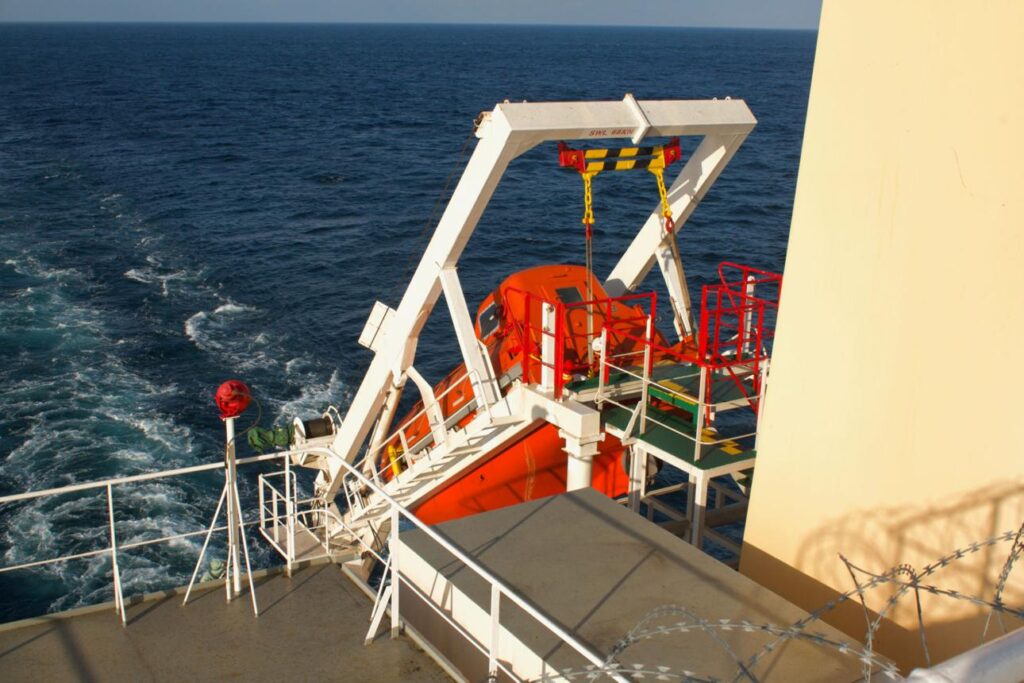
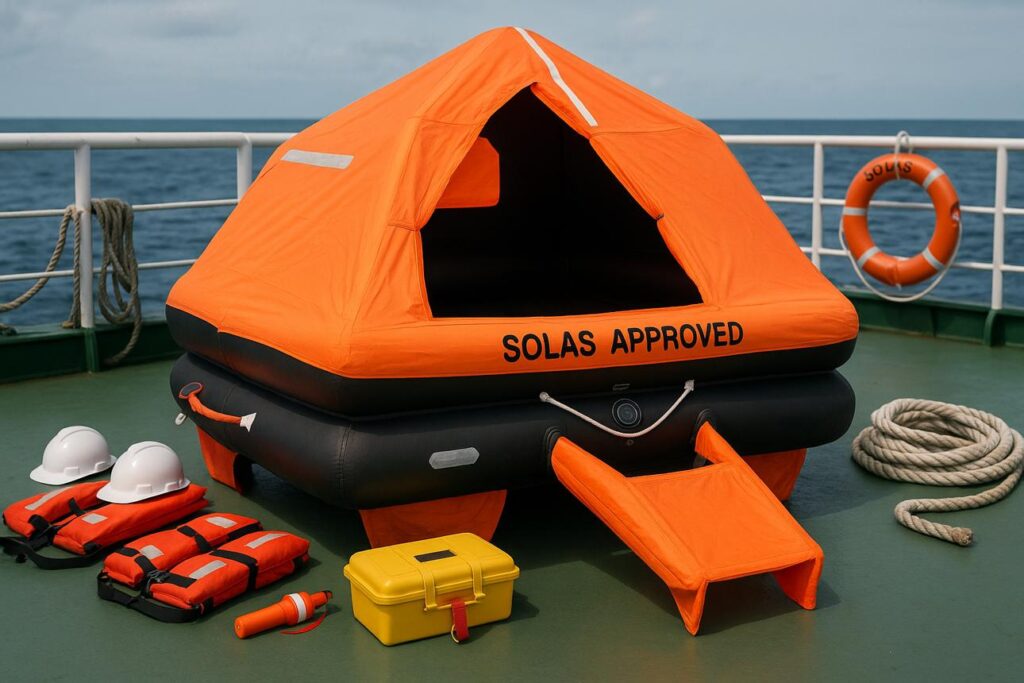
Chapter III addresses life-saving appliances (LSA) and arrangements, including lifeboats, rescue boats, life jackets and other survival equipment.
The chapter works closely with the International Life-Saving Appliance (LSA) Code, which provides detailed technical requirements for life-saving appliances and is mandatory under SOLAS.
Proper inspection, maintenance, testing and certification of life-saving equipment are therefore critical components of vessel safety.
Chapter IV – Radiocommunications
This Chapter incorporates the Global Maritime Distress and Safety System (GMDSS) and establishes requirements for maritime distress and safety communications.
Equipment such as EPIRBs and SARTs forms part of the safety communications framework for applicable ships
Chapter V – Safety of Navigation
This Chapter covers navigation safety and includes requirements relating to navigation equipment, voyage safety and operational matters. It also includes requirements relating to equipment such as AIS and Voyage Data Recorders (VDRs).
Chapter VI – Carriage of Cargoes
Chapter VI addresses the safe carriage, stowage and securing of cargoes, including cargo units such as containers.
Chapter VII – Carriage of Dangerous Goods
Chapter VII establishes requirements for the safe carriage of dangerous goods. For dangerous goods transported in packaged form, the requirements include appropriate classification, packing, marking, labelling, documentation, stowage and segregation. The chapter makes the International Maritime Dangerous Goods (IMDG) Code mandatory for applicable cargoes.
Chapter VIII – Nuclear Ships
This chapter contains safety requirements relating to nuclear-powered ships and radiation hazards.
Chapter IX – Management for the Safe Operation of Ships
Chapter IX makes the International Safety Management (ISM) Code mandatory. It requires an appropriate safety management system to be established by the shipowner or responsible company.
Chapter X – Safety Measures for High-Speed Craft
Chapter X makes the applicable High-Speed Craft (HSC) Code mandatory for relevant vessels.
Chapter XI-1 – Special Measures to Enhance Maritime Safety
This chapter includes requirements relating to recognised organisations, enhanced surveys, ship identification numbers and Port State Control measures.
Chapter XI-2 – Special Measures to Enhance Maritime Security
Chapter XI-2 addresses maritime security and makes the relevant provisions of the International Ship and Port Facility Security (ISPS) Code mandatory.
Chapter XII – Additional Safety Measures for Bulk Carriers
This chapter provides additional structural safety requirements for applicable bulk carriers.
Chapter XIII – Verification of Compliance
Chapter XIII makes the IMO Member State Audit Scheme mandatory.
Chapter XIV – Safety Measures for Ships Operating in Polar Waters
Chapter XIV makes applicable provisions of the Polar Code mandatory for ships operating in polar waters.
Chapter XV – Safety Measures for Ships Carrying Industrial Personnel
Chapter XV entered into force on 1 July 2024 and establishes minimum safety standards for ships carrying industrial personnel, including personnel involved in offshore energy and other industrial activities.
For shipowners and operators, SOLAS compliance is not simply about having safety equipment onboard. Equipment must be appropriate for the vessel, correctly installed or stored, maintained, inspected and tested in accordance with applicable requirements.
Depending on the vessel and its operation, this can include:
The exact requirements vary according to ship type, size, construction, trade, voyage and applicable Flag State and Class requirements.
SOLAS compliance is an ongoing responsibility. Safety equipment should not simply be purchased and stored onboard—it needs to remain serviceable, properly maintained and ready for use when required.
Regular inspection, testing, servicing and certification help vessel operators:
Certain equipment is subject to specific maintenance, examination, testing and servicing requirements under SOLAS and associated IMO Codes.
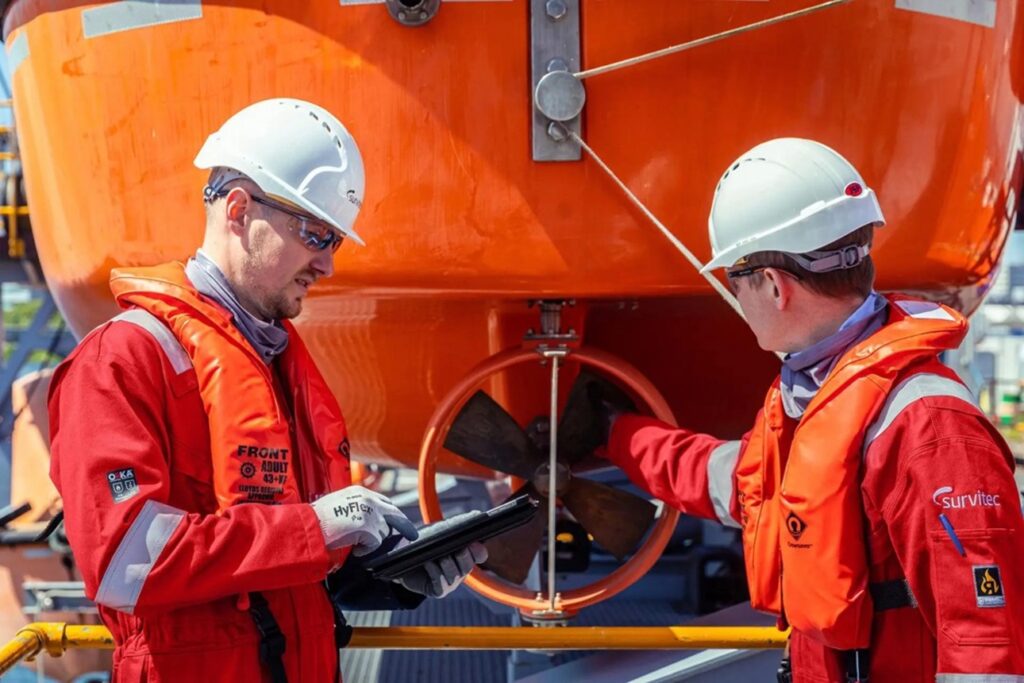
For example, IMO requirements cover the maintenance, thorough examination, operational testing, overhaul and repair of lifeboats, rescue boats, launching appliances and release gear.
For practical compliance, ship operators should consider SOLAS requirements alongside:
SOLAS + IMO Codes + Flag State Requirements + Class Requirements + Vessel-Specific Requirements
No single checklist applies identically to every vessel. The most effective approach is to identify the requirements applicable to the particular ship, verify the condition and certification of relevant equipment, maintain appropriate records and address deficiencies promptly.
SOLAS is not a static set of requirements. The Convention and associated mandatory Codes are regularly amended to reflect changes in technology, ship operations and emerging safety risks.
For example, amendments to SOLAS Chapter II-2 relating to fuel oil flashpoint requirements entered into force on 1 January 2026, while further amendments to SOLAS and associated Codes continue to be developed and adopted.
This makes it important for shipowners, managers and safety professionals to stay informed about applicable regulatory changes.
SOLAS requirements can vary depending on the ship type, size, construction, voyage, flag, applicable IMO instruments and other regulatory requirements. This article is intended as a general introduction and should not be used as a substitute for the applicable SOLAS Convention, IMO Codes, Flag State requirements, Class requirements or professional regulatory advice.
Looking for a trusted safety partner?
Contact NICO Marine today to discuss your requirements and let our experienced team support your operations with industry leading products, technical expertise, and responsive service.